

This is a developing story. We will update this article as the case moves forward.
A closely watched legal fight between Google and the search-data company SerpApi is shaping up as an early test of how far copyright law reaches over access to public web pages. On July 20, 2026, a federal court granted SerpApi’s motion to dismiss key parts of Google’s complaint, handing the smaller company an early win while leaving room for the case to continue. Here is what the dispute is about, what each side argues, and why the outcome matters beyond the two companies involved.
What the case is about
SerpApi sells programmatic access to search engine results through an API. Developers, researchers, and businesses use it to pull search result data without building and maintaining their own scrapers. Google objects to how that data is collected. In December 2025, Google filed suit in the U.S. District Court for the Northern District of California, alleging that SerpApi circumvented its anti-scraping protections, a system Google calls SearchGuard, to harvest and resell Google Search results.
Google brought its claims under the Digital Millennium Copyright Act (DMCA), the law more commonly associated with takedown notices, arguing that bypassing SearchGuard amounts to circumventing a technological protection measure.
Google’s argument
In a public statement, Google framed the suit as a last resort against what it called brazen, unlawful scraping. The company said SerpApi uses “shady back doors,” including cloaking and large networks of bots, to bypass industry-standard controls that websites use to manage automated access. Google also argued that SerpApi takes content Google licenses from others, such as images and real-time data, and resells it for a fee, disregarding the rights and directives of the sites and providers involved. Google asked the court to stop SerpApi’s bots.
SerpApi’s response
SerpApi pushed back hard. In a January 2026 response, the company said it accesses only publicly visible search results, the same pages any browser can load, and does not bypass authentication or break encryption. Its central legal point, laid out in its motion to dismiss, is that the DMCA protects copyrighted works, not a website’s ability to control access to public information. Google, SerpApi argued, did not create the search results in question and cannot use copyright to fence off publicly available data.
SerpApi also leaned on precedent, pointing to hiQ Labs v. LinkedIn, a case that warned against information monopolies controlling public data, and argued that a company built on indexing the open web should not be able to stop competitors from accessing public pages. It cast the suit as a threat to AI developers, security researchers, academics, and accessibility tools that all depend on real-time access to public data.
What the court ruled
On July 20, 2026, the court granted SerpApi’s motion to dismiss in part. As Search Engine Land reported, the judge found that Google had not alleged facts showing SearchGuard “was implemented and functioned with the authority of the copyright owner,” a requirement for a DMCA circumvention claim.
The ruling split along a specific line:
- Dismissed permanently: DMCA claims tied to search results that contain no copyrighted content.
- Dismissed with leave to amend: DMCA claims involving copyrighted content, giving Google a short window to revise and refile.
- Survived: The court rejected SerpApi’s argument that Google lacked standing and accepted that Google had adequately alleged circumvention of SearchGuard, so the case is not over.
In short, SerpApi won an important round, but Google retains a path to continue if it can strengthen the copyright basis of its claims.
Why it matters
The dispute sits at the intersection of copyright law and access to public data, a question with consequences well beyond search. If the DMCA could be used to control access to any publicly visible page, a wide range of services that rely on public web data, from SEO and market-research tools to AI systems and academic research, could face new legal exposure. The court’s skepticism toward stretching the DMCA that far echoes earlier scraping cases, and it will be read closely by anyone whose work depends on collecting public information at scale.
What happens next
With part of its complaint dismissed with leave to amend, Google can try to refile a narrower DMCA claim. The case remains active, and the reasoning in any amended complaint, along with the court’s response to it, will help define how the DMCA applies to web scraping going forward. We will update this article as new filings and rulings arrive.
Sources: Google, SerpApi (statement, motion, ruling), and Search Engine Land.
About the Author
Further Reading

Shopify Says AI Search Is Adding Sales, Not Replacing Google
Shopify’s second quarter results, reported on August 5, gave the clearest picture yet of how AI assistants are…

AI Overviews Are Eating Search Clicks: What It Means for Affiliate Publishers
Google’s AI Overviews have moved from an experiment to a default part of the results page, and the…
EU Fines Google €890 Million Under the Digital Markets Act
The European Commission has fined Google €890 million (about $1 billion) for breaching the Digital Markets Act (DMA),…

How to Choose an Affiliate Network: A Practical Guide for Publishers and Creators
Affiliate marketing rewards you for sending customers to a merchant, but the network you build on shapes almost…
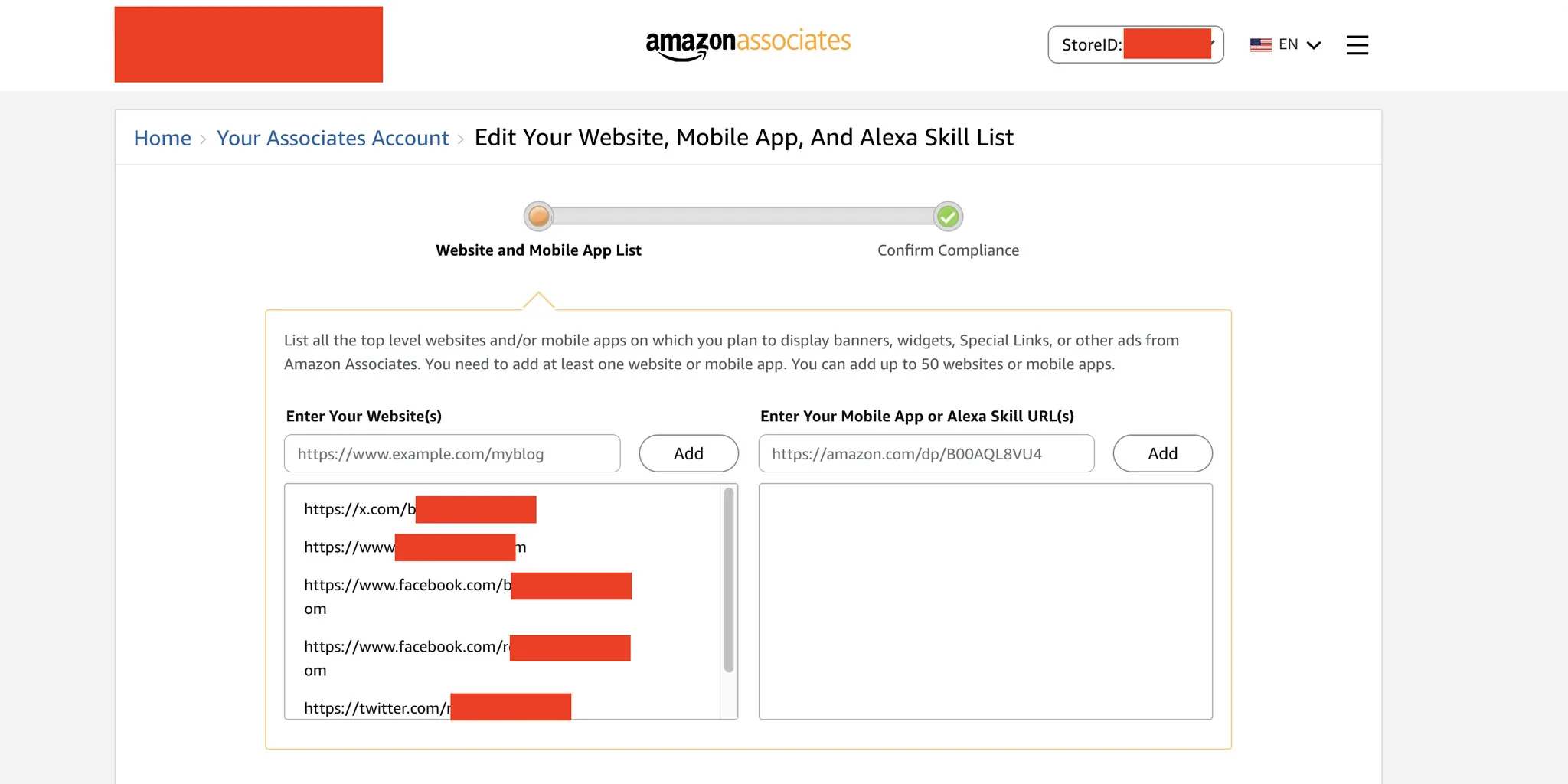
Which Social Media Platforms Are Accepted by the Amazon Affiliate Program?
A quick guide to the social media platforms Amazon Associates accepts (Facebook, Instagram, X, YouTube, TikTok, Twitch) and…

Common Reasons Why Your Amazon Associates Account Has Been Closed
A practical guide to the most common reasons Amazon Associates accounts get closed, the warning and termination emails…
Comments
Be the first to comment. Share your thoughts on this guide to help other readers.