

Affiliate marketing rewards you for sending customers to a merchant, but the network you build on shapes almost everything that follows: which brands you can promote, how much you earn, how reliably you get paid, and how much work it takes to keep your links current. Choosing well at the start saves months of migration later. This guide walks through what actually matters, written for publishers and creators who want a durable income stream rather than a quick experiment.
What an affiliate network actually does
A network sits between you and the merchants. It tracks the clicks and sales you generate, handles attribution, consolidates reporting across many brands, and pays you on a single schedule. Some brands run their own in-house programs, but a network lets you work with hundreds of advertisers under one login, one payment, and one set of tools. For most publishers, that consolidation is the main reason to use a network at all.
Start with your niche and your audience
The best network is the one that carries the brands your readers already trust. Before comparing payouts, list the merchants you would genuinely recommend, then check which networks represent them. A platform packed with advertisers outside your topic is worth little, no matter how generous its terms look. If you cover web hosting, prioritize networks with strong hosting advertisers. If you write for shoppers, a broad retail catalog matters more.

Commissions and payment terms
Commission rates vary widely by merchant and by product category, and they change over time, so treat any headline number as a starting point rather than a promise. What matters is the full picture: the base rate, whether it is a percentage of the sale or a flat bounty, how returns and cancellations are handled, and whether rates step up as you drive more volume. Read the merchant terms inside the network, not just the network’s marketing page.
Cookie duration and attribution
When a reader clicks your link, the network records a cookie that credits you if a purchase happens within a set window. Longer windows generally favor the publisher, but attribution rules matter just as much. Last click is common, and some programs reduce or exclude credit when a sale also touches a coupon site or a paid ad. Understand how credit is assigned before you invest in content, because it determines how much of the value you create actually reaches you.
Merchant quality and catalog depth
A deep catalog gives you room to grow without switching platforms. Look for advertisers with healthy conversion rates, clear creative assets, and a track record of staying in the program. Frequent advertiser churn is a warning sign: links break, pages go stale, and your published content loses value. Established networks tend to offer more stable relationships, which protects the work you have already done.
Reporting, tools, and API access
Good reporting is the difference between guessing and improving. You want clear breakdowns by merchant, by link, and over time, plus the ability to export your data. If you run a content site at scale, API or data feed access lets you keep product information and links current automatically instead of editing pages by hand. Weaker tooling can quietly cost you hours every week.

Payout thresholds and reliability
Check the minimum balance required before you get paid, the payment methods offered, and the typical delay between a sale and a payout. A low threshold and a dependable schedule matter more for newer publishers than a slightly higher rate locked behind a high minimum. Reliability compounds: a network that pays on time, every time, is worth more than one with better numbers and a shaky reputation.
Support and the approval process
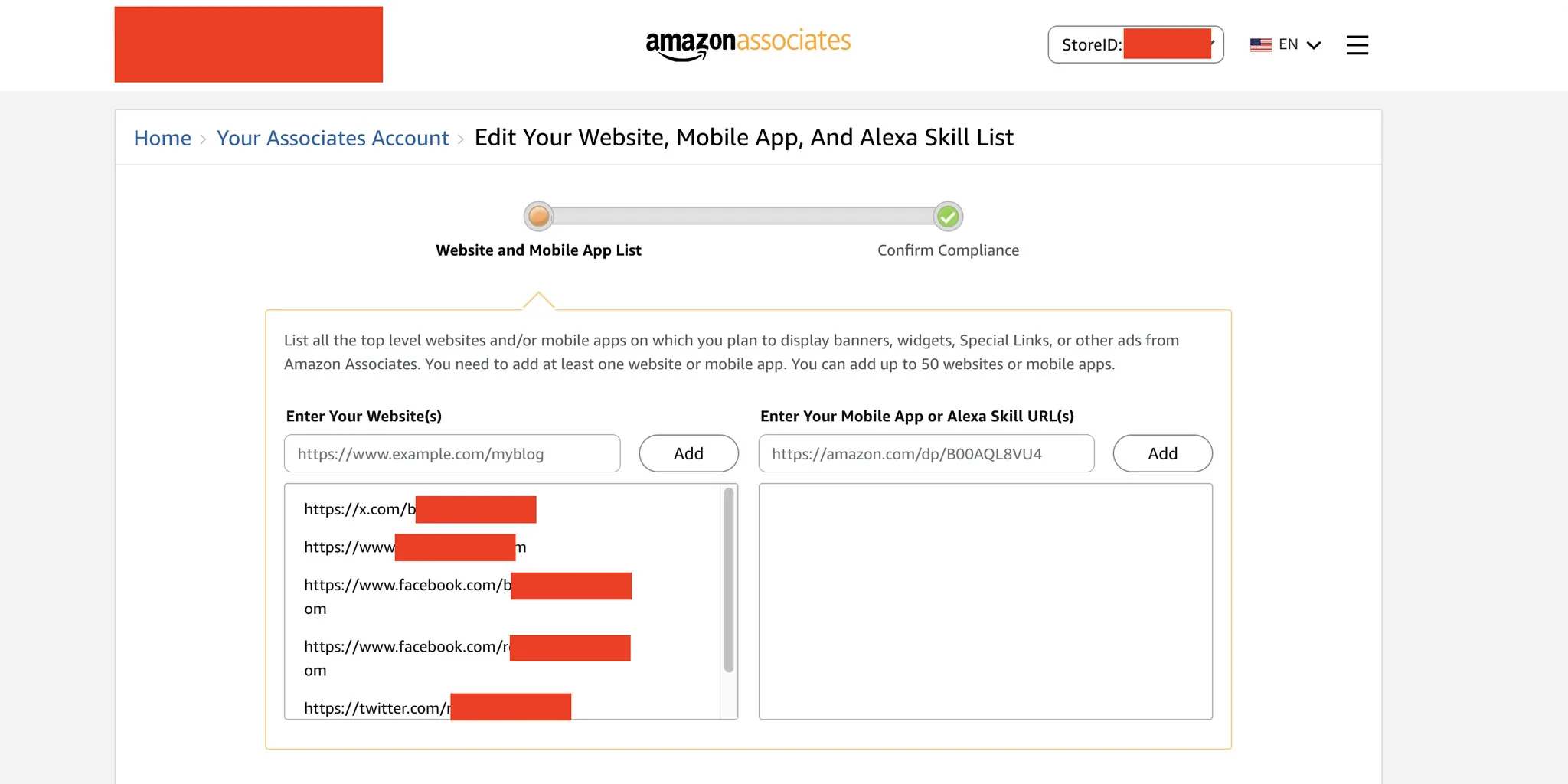
Networks review applications, and some individual merchants approve publishers case by case. Programs also enforce their own rules after you join. Amazon Associates, for example, is specific about which social platforms you can post links on and about the reasons an account gets closed. A responsive account team helps when a link stops tracking or a payment is delayed, so read how the network communicates and how quickly issues get resolved before you commit.
A short checklist
- Merchants: does it carry the brands your audience already trusts?
- Terms: are commissions, returns, and volume tiers clear at the merchant level?
- Attribution: how is credit assigned, and what disqualifies a sale?
- Tools: is the reporting usable, and is there feed or API access if you need it?
- Payouts: what is the threshold, the method, and the timing?
- Support: how fast and how helpful is the account team?
The takeaway
There is no single best affiliate network, only the best fit for your niche, your scale, and the way you work. Start from the brands you want to recommend, weigh the terms and tools honestly, and favor reliability over a marginally higher headline rate. Get that foundation right and everything you publish afterward works harder for you. For deeper comparisons of individual networks, tools, and hosting options, browse the reviews across AffiliateCMS.com.
About the Author
Further Reading

Shopify Says AI Search Is Adding Sales, Not Replacing Google
Shopify’s second quarter results, reported on August 5, gave the clearest picture yet of how AI assistants are…

AI Overviews Are Eating Search Clicks: What It Means for Affiliate Publishers
Google’s AI Overviews have moved from an experiment to a default part of the results page, and the…

EU Fines Google €890 Million Under the Digital Markets Act
The European Commission has fined Google €890 million (about $1 billion) for breaching the Digital Markets Act (DMA),…

Google v. SerpApi: The Scraping Lawsuit Testing Access to Public Data
This is a developing story. We will update this article as the case moves forward. A closely watched…
Which Social Media Platforms Are Accepted by the Amazon Affiliate Program?
A quick guide to the social media platforms Amazon Associates accepts (Facebook, Instagram, X, YouTube, TikTok, Twitch) and…

Common Reasons Why Your Amazon Associates Account Has Been Closed
A practical guide to the most common reasons Amazon Associates accounts get closed, the warning and termination emails…
Comments
Be the first to comment. Share your thoughts on this guide to help other readers.