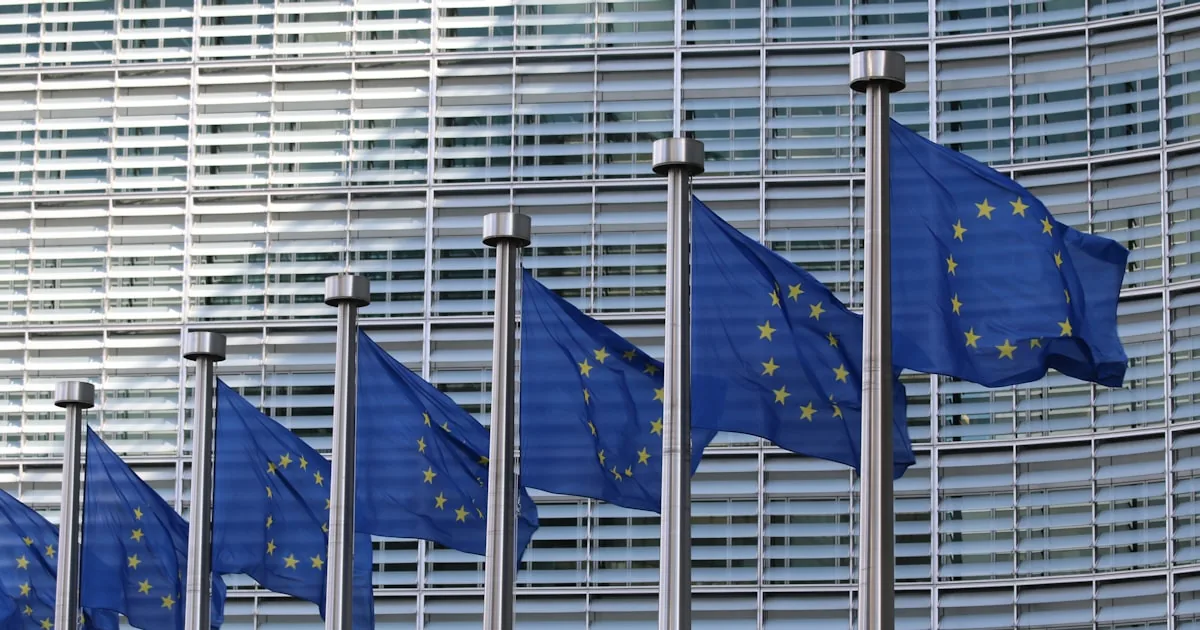

The European Commission has fined Google €890 million (about $1 billion) for breaching the Digital Markets Act (DMA), issuing two separate decisions on July 23, 2026: one over self-preferencing in Google Search and one over anti-steering rules on Google Play. It is one of the most significant enforcement actions yet under the EU’s rulebook for large digital gatekeepers.
What the Commission decided
The Commission adopted two non-compliance decisions. Google was fined €460 million for self-preferencing its own services in Google Search, and €430 million for restricting how app developers steer users to cheaper options on Google Play. Together the two fines total €890 million.
Self-preferencing in Google Search
Under the DMA, gatekeepers must not rank their own services more favorably than those of third parties, and must apply transparent, fair and non-discriminatory ranking conditions. The Commission found that Google gave preferential treatment to its own services, including shopping, hotels, transport and sports results, displaying them more prominently than comparable third-party services, for example at the top of the results page or with enhanced visuals and filters.
Anti-steering on Google Play
The DMA also requires that app developers distributing through Google Play be able to tell customers, free of charge, about cheaper offers elsewhere and direct them to those offers. The Commission found that Google prevented developers from freely communicating and promoting such offers and concluding contracts outside the Play Store. It also found that the level of Google’s steering-related fees and the length of the charging period went beyond what the DMA allows.
What the Commission said
Teresa Ribera, the Commission’s Executive Vice-President for Clean, Just and Competitive Transition, framed the action as decisive but balanced.
The best products should succeed because they’re better, not because they’re owned by the company running the search engine. And European consumers have a right to be told by app developers where to sign up to the best offers, even when the app store owner does not get a cut.
Teresa Ribera, European Commission
Executive Vice-President Henna Virkkunen added that the decisions send a clear message that the Commission will use its tools to safeguard the business and innovation opportunities opened up by the DMA.
What Google must do
The Commission ordered Google to end the conduct within 60 days or face periodic penalty payments of up to 5 percent of its worldwide turnover. Google must treat third-party services in search rankings fairly and without discrimination, and must let Play developers communicate, promote offers and conclude contracts with users both inside and outside the store. The Commission noted that Google has already begun testing changes to how it presents services such as shopping, hotels and flights, which it called substantial progress toward compliance.
Google’s response
Google signaled its disagreement and pointed to the changes it has been testing. The company shared its position on X.
Google may appeal the decisions to the EU courts.
Why it matters
The case is a milestone for DMA enforcement and lands squarely on the economics of comparison. Self-preferencing in shopping, hotels and travel results goes to the heart of how independent comparison, review and affiliate tools compete for visibility, while the Play ruling reshapes how app businesses can route users to cheaper checkout. For publishers and creators who rely on organic placement and outbound offers, the direction of travel is toward more room for third parties and fewer walled gardens.
Background and what happens next
Google was designated a gatekeeper for Google Search in September 2023. The Commission opened its non-compliance investigations in March 2024 and set out preliminary findings in March 2025 before adopting the two decisions. The Commission said it will keep monitoring Google’s changes, including how it applies the principles to AI Overviews and AI Mode. We will update this article as Google responds and any appeal proceeds.
Source: European Commission.
About the Author
Further Reading

Shopify Says AI Search Is Adding Sales, Not Replacing Google
Shopify’s second quarter results, reported on August 5, gave the clearest picture yet of how AI assistants are…

AI Overviews Are Eating Search Clicks: What It Means for Affiliate Publishers
Google’s AI Overviews have moved from an experiment to a default part of the results page, and the…

Google v. SerpApi: The Scraping Lawsuit Testing Access to Public Data
This is a developing story. We will update this article as the case moves forward. A closely watched…

How to Choose an Affiliate Network: A Practical Guide for Publishers and Creators
Affiliate marketing rewards you for sending customers to a merchant, but the network you build on shapes almost…
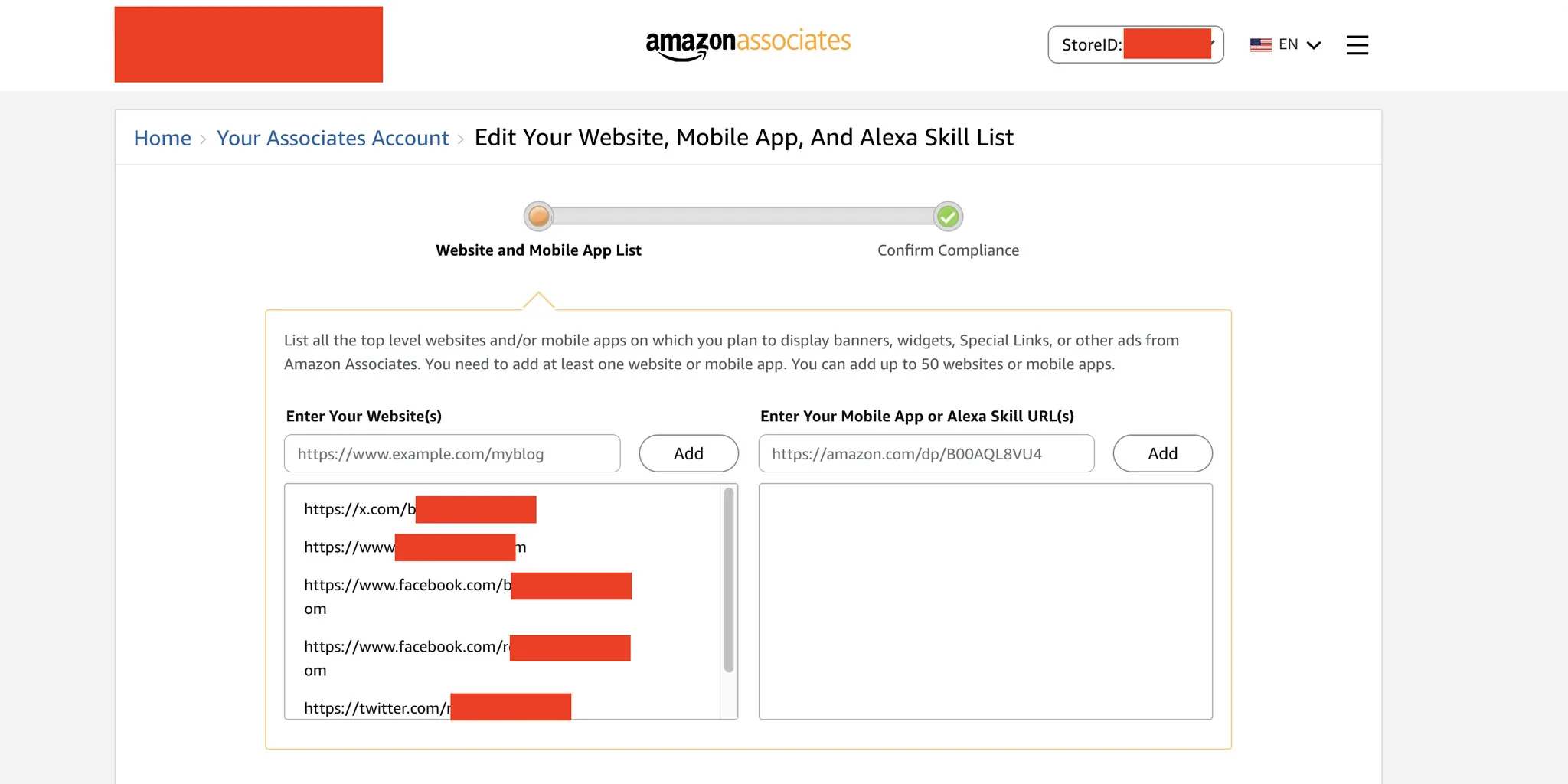
Which Social Media Platforms Are Accepted by the Amazon Affiliate Program?
A quick guide to the social media platforms Amazon Associates accepts (Facebook, Instagram, X, YouTube, TikTok, Twitch) and…

Common Reasons Why Your Amazon Associates Account Has Been Closed
A practical guide to the most common reasons Amazon Associates accounts get closed, the warning and termination emails…
Comments
Be the first to comment. Share your thoughts on this guide to help other readers.